How we disappear watching others
Earlier today a friend mentioned feeling disheartened when comparing her work to others on social media. So I have been thinking about that and wanted to write something quickly. I have been thinking about comparison, not in the motivational sense, not as a habit we should correct or a mindset we should fix. I have been thinking about the comparison that runs in the background while we’re working, scrolling, living. Truth is we measure ourselves constantly. And always it is against timelines that aren’t ours. Against people we don’t know. Against bodies, faces, and outcomes that represent only fragments of reality. By now, most of the time we don’t even notice we’re doing it. It doesn’t even feel like comparison, it just feels like a low-grade unease. Like being slightly misaligned with your own life.
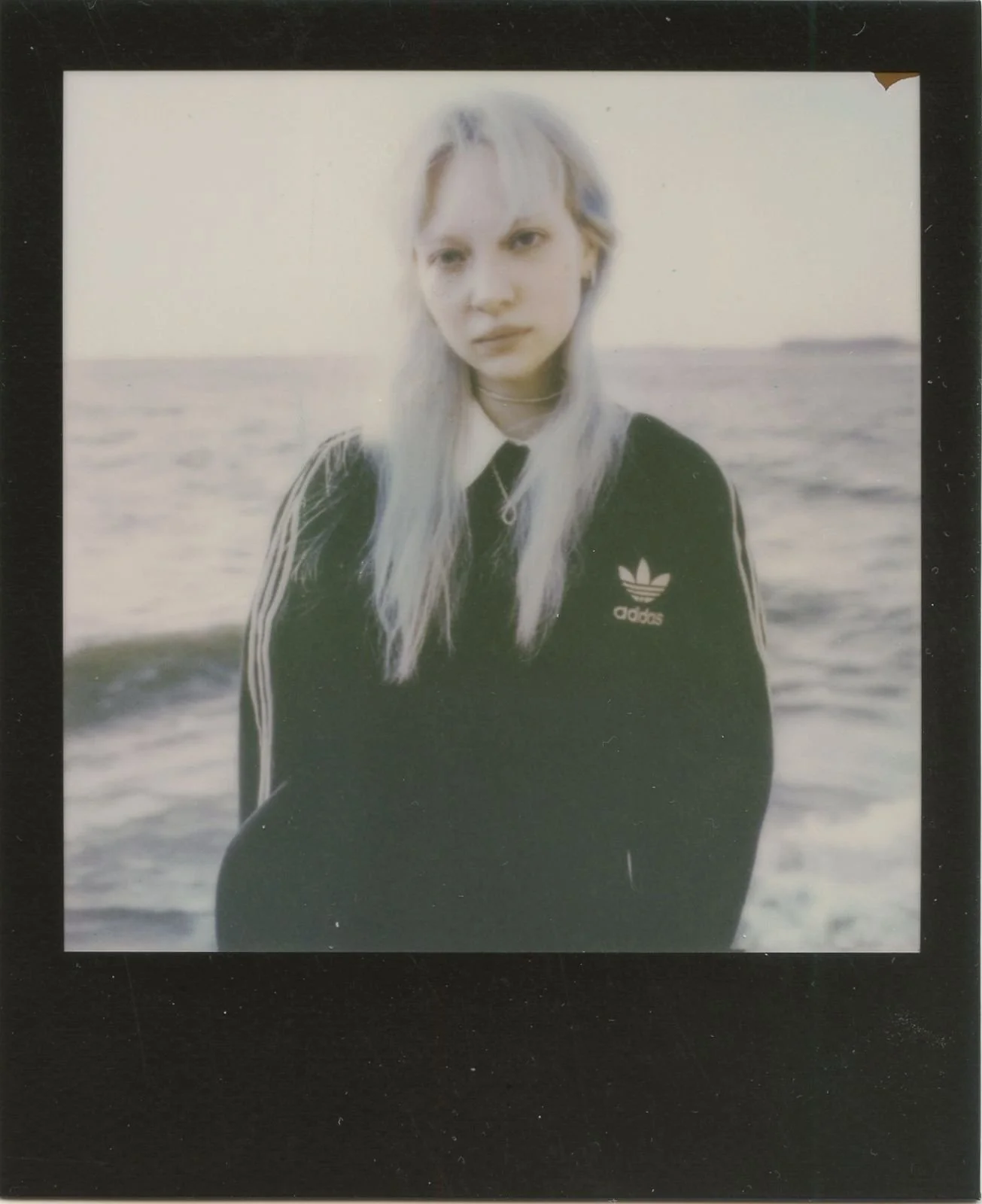
Appearance is what most people instantly associate with comparison, I guess. While scrolling, it easily slips in before thought, before language. A face, a body, a photo of a stranger we think we know on a screen, and suddenly we’re no longer inside ourselves. We’re looking at ourselves from the outside, as images among images, as objects to be evaluated. But bodies and faces are outcomes of genetics, history, health, age, desire, trauma, culture, filters, apps, photoshop edits and so many variables so different that comparison becomes dishonest and impossible. Yet we do it anyway, and the damage doesn’t come just from ending up disliking how we look; it comes from adopting a false reference point. We start evaluating ourselves as if we were meant to resemble someone else’s outcome, someone else’s timing, someone else’s circumstances. The result cannot be improvement but alienation: a slow disconnection from our own physical reality. We stop experiencing our bodies and start treating them as unfinished projects. Comparison doesn’t show us what’s wrong with us or what we lack — it teaches us to mistrust and abuse what is already ours. We end up seeing ourselves the way a camera, a stranger, or a passing standard might. Never the way we actually inhabit ourselves. This split is exhausting. It produces constant low-level dissatisfaction because nobody can fully succeed as an image without failing as a lived experience. In the end, comparison doesn’t make us more beautiful or less; it just makes us absent from ourselves.
The same thing happens with work. We see someone else’s finished piece as they want them presented while we’re still inside the mess of making, and we mistake that difference in timing for a difference in worth. Comparison is particularly lethal to art and creative work because art does not emerge from hierarchy. It emerges from necessity. People don’t create because no one better exists; they create because something inside them needs form, language, shape, or release. If creation depended on being “the best,” art would have ended centuries ago. Every great artist worked in the presence of other great artists, often ones they admired, feared, or openly struggled against. When we compare ourselves while creating, we commit a category error. We treat expression as if it were competition. We forget that the amazing thing about art is that it is not a ranking system but a record of human difference. No artwork replaces another. No voice cancels another. Comparison convinces us that originality is about being superior, when in reality it’s about being specific in staying close to our own perceptions, obsessions, limitations, and questions, not when we constantly measure them against someone else’s outcomes on a phone screen. Comparison doesn’t push art forward. Comparison kills creativity as it encourages imitation, hesitation, premature self-editing. It makes people stop before they’ve even started, not because they lack talent, but because they’ve mistaken visibility for legitimacy. The tragedy isn’t that comparison produces “bad art.” It’s that it prevents art from existing at all by cutting off expressions that would have added something irreducible to the world, something only that one person could have made.
I notice how comparison pulls me away from myself. How it breaks concentration. How it makes me adjust to rhythms that were never mine to begin with. As if there’s a shared schedule for becoming something, and we’re all late. The problem isn’t that comparison hurts our confidence. It’s that it distorts reality. If you have trashed as many drafts as I have, you have to constantly remember that on social media we never see the full picture, but only what’s meant to be seen. And we use that partial view to judge our entire process.
The only comparison that ever seems to be of any value is the uncomfortable one: who we are now versus who we were. Not in terms of success, but in terms of alignment. Are we closer to ourselves, or further away? More attentive, or just louder? More honest, or just better at performing? When I compare myself to others, I feel anxious. When I compare myself to myself, I feel responsible, accountable, grounded, and creative. I don’t want my body, my work, or my sense of direction to be shaped by constant reference to other people’s images and outcomes. I want decisions to make sense from the inside.
Maybe the point isn’t to stop seeing others, or to pretend we exist in isolation. The point is to realize that comparison doesn’t just distract us. It slowly replaces us. It teaches us to monitor ourselves instead of express and experience ourselves, to adjust instead of explore, to perform instead of risk. And one day we might wake up fluent in everyone else’s standards, yet failing to recognize our own voice. Let’s choose not to disappear.
